
Hiccups can be annoying, but you can usually stop them with a few simple tricks. Try holding your breath, sipping water while leaning forward, or breathing slowly into a paper bag to calm your diaphragm. Some unusual methods can work too, and posture and breathing habits help prevent repeats. If yours last more than two days, though, there’s more to reflect on—keep going to learn what to try next.
Key Takeaways
- Hold your breath for 10–20 seconds or breathe slowly into a paper bag to raise CO2 and stop diaphragm spasms.
- Sip cold water slowly, or drink while leaning forward to change swallowing rhythm and interrupt hiccups.
- Practice diaphragmatic breathing and good posture to relax the diaphragm and reduce recurrence.
- Avoid triggers: eat slowly, limit carbonated drinks, avoid sudden temperature changes and excessive alcohol.
- See a doctor if hiccups persist beyond 48 hours or disrupt eating, sleeping, or daily activities.
What Are Hiccups and How Do They Happen
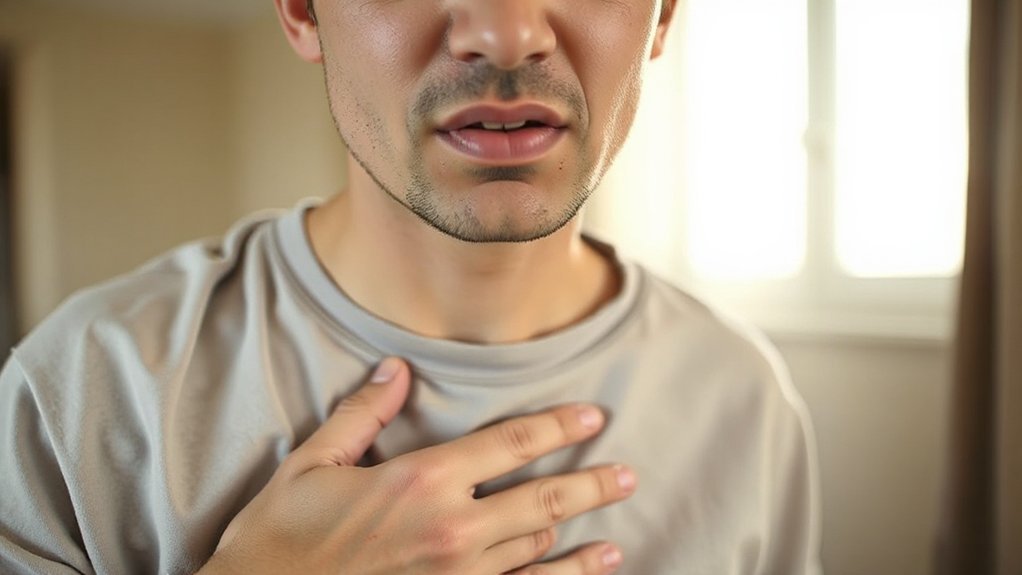
When your diaphragm spasms, you get hiccups — those sudden, involuntary contractions that pull air into your throat and close your vocal cords with a sharp “hic.” You’ll feel the jump and hear the sound because the diaphragm’s twitch forces a quick intake of air, triggering a reflexive vocal cord closure. That concise physiological response explains what’s happening: a brief misfiring in the nerve-muscle loop controlling breathing. You can think of hiccups as a short circuit—annoying but usually harmless. Knowing the causes of hiccups helps you respond calmly; they stem from that neural hiccup rather than a lasting problem. Most episodes stop on their own, and simple, targeted actions often restore normal rhythm and breathing.
Common Triggers to Watch For

Watch for common triggers so you can stop hiccups before they start. Eating too fast, gulping carbonated drinks, or sudden temperature changes often set them off. If you know your patterns, you’ll be able to adjust habits and prevent episodes.
Eating Too Fast
Eating quickly can trigger hiccups by forcing excess air into your stomach and overstimulating the diaphragm; slow your pace, take smaller bites, and chew fully to reduce swallowed air and give your breathing a chance to stay steady. Pay attention to chewing speed—set a rhythm, put utensils down between bites, and aim for deliberate, relaxed chewing. Use portion control to avoid overeating, which stretches the stomach and makes hiccups more likely. Sip water between bites to calm your throat and diaphragm, but don’t gulp. If you feel a hiccup coming, pause eating and breathe slowly until it passes. These small habits break the cycle: calmer meals, less air swallowed, and fewer interruptions from hiccups. Keep routines simple and consistent.
Carbonated Drinks
If you’ve been slowing your bite and still get hiccups, look next at what you drink: carbonated beverages introduce extra gas into your stomach and can irritate the diaphragm. Cut back or sip slowly when you choose soda, sparkling water, or fizzy cocktails. Try non-carbonated alternatives between meals, and avoid gulping straight from a bottle or through a straw, which traps more air. If a fizzy drink triggers hiccups, stop and sit upright; take small sips of still water and breathe calmly to let gas settle. Track which drinks provoke you so you can avoid them before important events. These simple, practical steps reduce episodes without dramatic measures, and you’ll likely notice fewer hiccup triggers over time.
Sudden Temperature Change
When your mouth or stomach suddenly cools or heats up, your diaphragm can spasm and trigger hiccups; common culprits are swallowing very cold drinks after something hot, eating ice cream too fast, or stepping into chilly air right after a warm meal. You can prevent episodes by noticing temperature sensitivity and avoiding abrupt changes. Sip slowly, let hot foods cool a bit, and pause before moving between warm interiors and cold outdoors. If hiccups start, steady breathing, swallowing small sips of lukewarm water, or holding your breath briefly often calms the diaphragm. Treat environmental triggers as manageable: adjust how you eat and drink, layer clothing to reduce sudden chills, and be mindful of hot-to-cold shifts. Small, consistent habits usually stop hiccups quickly.
Quick Home Remedies That Often Work
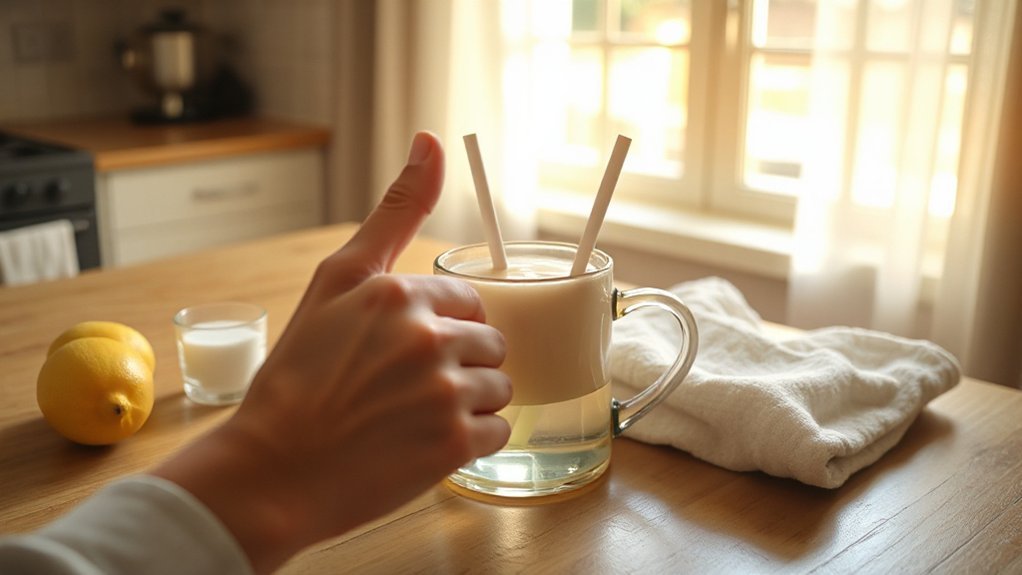
When hiccups strike, you can try a couple of simple tricks that usually stop them fast. Hold your breath for a short count to raise carbon dioxide and reset your diaphragm, or sip water while leaning forward or drinking upside down to interrupt the spasm. Both methods are safe, quick, and worth trying before moving on to other options.
Hold Your Breath
Because holding your breath raises carbon dioxide levels and can calm the diaphragm, it’s a quick, no-equipment trick you can try anywhere to stop hiccups. You’ll sit or stand comfortably, inhale deeply, and hold that breath for as long as you can without strain. Use gentle breath control—avoid tensing your shoulders—so your chest stays relaxed while your diaphragm relaxation takes effect. When you can’t hold any longer, exhale slowly and resume normal breathing. If hiccups persist, repeat once or twice, giving yourself a minute between attempts. This method’s simplicity makes it safe for most people, though don’t force it if you feel lightheaded. It’s often the fastest, most practical first step to try.
Drink Upside Down
Try drinking a glass of water while leaning forward and tipping your head down so the water flows from the far side of the glass; this changes your swallowing pattern and can interrupt the hiccup reflex. You’ll bend at the waist, place your lips on the rim opposite you, and sip so the water runs toward the far edge — fundamentally drinking upside down without flipping your whole body. This simple drinking technique forces a different diaphragm rhythm and can stop hiccups in seconds. Do it slowly and steadily; don’t gulp. If one trial doesn’t work, wait a minute and try again or combine it with breath-hold methods. It’s safe, easy, and something you can try anywhere when hiccups start.
Breathing and Posture Techniques to Stop Hiccups
If your hiccups won’t quit, controlled breathing and simple posture changes can often stop them quickly by calming the diaphragm and resetting its rhythm. Sit or stand tall with good posture alignment—shoulders back, chest open—to reduce pressure on the diaphragm. Try diaphragmatic breathing: breathe in slowly through your nose, let your belly expand, then exhale slowly through pursed lips. Repeat five to ten times. You can also hold your breath for 10–20 seconds, then exhale slowly; or inhale deeply and swallow three times before exhaling. Leaning forward slightly or hugging your knees to your chest for a minute can compress the chest gently and interrupt the spasm. Stay calm; steady breathing usually works within a few minutes.
Unusual or Less-Known Remedies People Try
When breathing and posture don’t do the trick, people often turn to more unusual remedies—some are harmless curiosities, others are worth skipping. You can try a classic sugar remedy: swallow a spoonful of granulated sugar dry; it may reset your diaphragm by distracting nerves with a brief, strong sensory input. Peanut butter works similarly—take a spoonful, hold it in your mouth, then swallow deliberately; the sticky texture forces a different swallowing pattern that can interrupt hiccup cycles. Some try startling, holding breath, or sipping vinegar; these often help briefly but aren’t guaranteed. Avoid extreme maneuvers or anything painful. If a simple home remedy calms you and causes no harm, it’s fine to try—stop if it feels wrong or uncomfortable.
When Hiccups Are Prolonged or Persistent
Although most hiccups stop on their own, persistent hiccups—lasting more than 48 hours—or intractable hiccups that go on for weeks need attention because they can signal an underlying problem and interfere with sleep, eating, and daily life. If yours continue, track timing, triggers, and any new symptoms so you can describe them clearly to your clinician. Persistent hiccups can lead to fatigue, weight loss, and social stress; ask about potential long term effects and whether tests are warranted. Many cases relate to treatable underlying conditions like reflux, central nervous system issues, or medication side effects. You don’t have to tolerate constant hiccups; seek medical evaluation when they disrupt rest, nutrition, or work so you can get targeted care.
Medical Treatments and Procedures for Chronic Hiccups
Because chronic hiccups can signal treatable medical conditions, clinicians offer several targeted therapies and procedures to stop them and address underlying causes. If your hiccups persist, your doctor may try pharmacological options first: muscle relaxants, gabapentin, baclofen, or chlorpromazine can calm the reflex. They’ll adjust doses and monitor side effects, and you should report any new symptoms. If medication fails or a clear structural cause exists, surgical interventions or targeted nerve therapies may be considered, such as phrenic nerve blocks, vagus nerve stimulation, or minimally invasive procedures to correct anatomy. You’ll get individualized recommendations after imaging and specialist evaluation. These treatments aim to relieve symptoms and treat root causes, and your care team will explain risks, benefits, and follow-up.
Preventive Steps to Reduce Hiccup Episodes
If you want to cut down on hiccup episodes, start by identifying and avoiding your personal triggers—eat slowly, skip carbonated or very hot/cold drinks, limit alcohol, and don’t overfill your stomach. Add simple dietary modifications: smaller, regular meals, less spicy or fatty food, and staying hydrated with room-temperature water. Track what precedes hiccups for a week to spot patterns.
Practice basic stress management since anxiety or rapid breathing can provoke hiccups. Try brief breathing exercises, progressive muscle relaxation, or short walks after meals. Avoid sudden temperature changes and loud, prolonged laughter when you’re prone. Be consistent: small routine changes often prevent episodes. If strategies don’t help, reassess triggers and adjust habits before seeking other options.
When to See a Healthcare Professional
When hiccups last more than 48 hours, come back repeatedly, or start interfering with sleep, eating, breathing, or work, see a healthcare professional so the cause can be evaluated and treated. Don’t wait if you’re losing weight, have chest pain, fever, or new neurological symptoms. Early healthcare evaluation can catch treatable causes like reflux, medication side effects, or nerve irritation.
- When to seek immediate care: breathing difficulty, fainting, severe chest pain.
- When to arrange prompt outpatient review: hiccups >48 hours, weight loss, persistent vomiting.
- What to expect at evaluation: history, exam, and tests (bloodwork, imaging, or referral) to identify reversible causes and start targeted treatment.
Conclusion
Hiccups are annoying but usually harmless. Try simple fixes first: hold your breath, sip water while leaning forward, or practice slow diaphragmatic breathing and good posture to calm your diaphragm. If usual tricks fail, you can try less common remedies, but don’t hesitate to see a doctor if hiccups last over 48 hours or come with other symptoms. With timely care, most causes are treatable and you’ll get relief.