
You can check your credit score several ways, and you’ll want the right source if you’re applying for a loan or new card. Start with your bank, card issuer, or free sites like Credit Karma, then compare with reports from the bureaus. I’ll show how to get accurate scores and spot errors…
Check Your Credit Card or Loan Statements

How often do you review your credit card and loan statements? You should scan each statement monthly, checking balances, recent charges, and payment due dates.
Look for unfamiliar transactions, duplicate charges, or incorrect amounts and flag them immediately. Verify interest rates, fees, and minimum payments so you know how charges affect your balance and schedule.
Track your payment history to confirm on-time postings; missed or late entries can lower your score. Watch your credit utilization by comparing current balances to limits and aim to keep utilization low.
Keep copies of statements and note discrepancies, then contact your lender promptly to dispute errors and request corrections. Regular, focused reviews help prevent fraud and keep your credit accurate. You’ll spot issues sooner and recover faster, guaranteed.
Use Free Online Credit Score Services
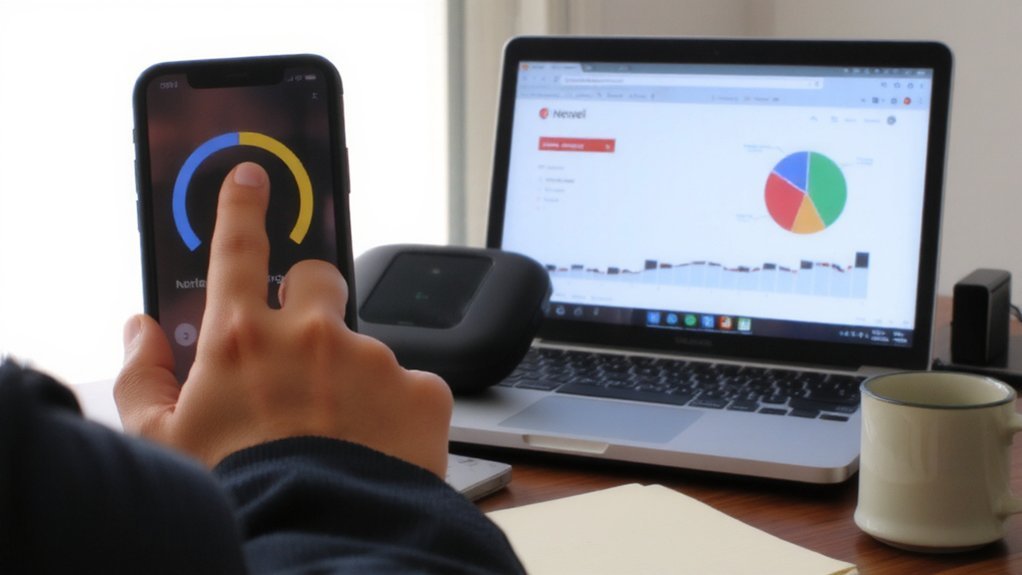
Where can you quickly check your credit score for free? You can use reputable online services that display your score and give basic explanations. Many banks and credit card issuers include a VantageScore or FICO snapshot on your account dashboard.
Independent sites like Credit Karma, Credit Sesame, and Experian provide free scores, monitoring alerts, and factors affecting your rating. Sign up with a secure email, verify identity, and review the score type shown so you know whether it’s FICO or VantageScore.
Watch for optional paid add-ons and read privacy policies before sharing extra data. Check scores periodically to track trends, but don’t expect exact matches across providers — different scoring models and reporting timelines cause variation. Use multiple free sources to get broader perspective.
Get Your Annual Credit Reports
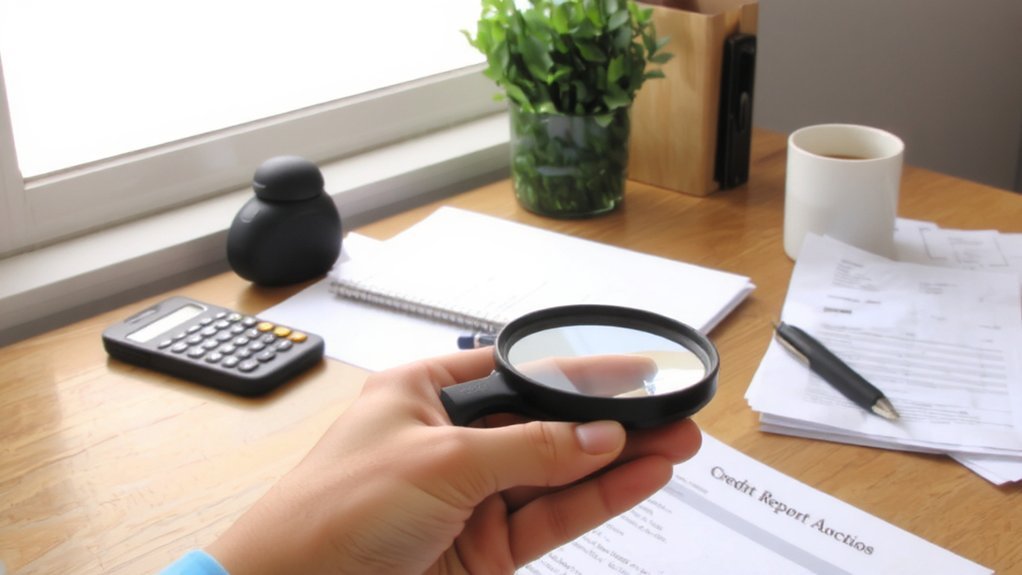
Alongside checking free scores, you should pull your free annual credit reports from Equifax, Experian, and TransUnion to verify the accounts, balances, and inquiries that feed your score.
Request all three reports at once or stagger them throughout the year so you’ll monitor changes more frequently.
When you get each report, scan for unfamiliar accounts, incorrect balances, duplicate entries, and misstated personal information.
Note collection accounts, charge-offs, and recent inquiries.
If you find errors, follow the bureau’s dispute process online, attach supporting documents, and keep copies of everything you submit. Check results and confirm that creditors update furnisher information.
Regularly pulling and reviewing your reports helps you catch identity theft, correct mistakes, and ensure your credit score reflects accurate data. Do this every year promptly.
Buy Scores Directly From Credit Bureaus or Myfico
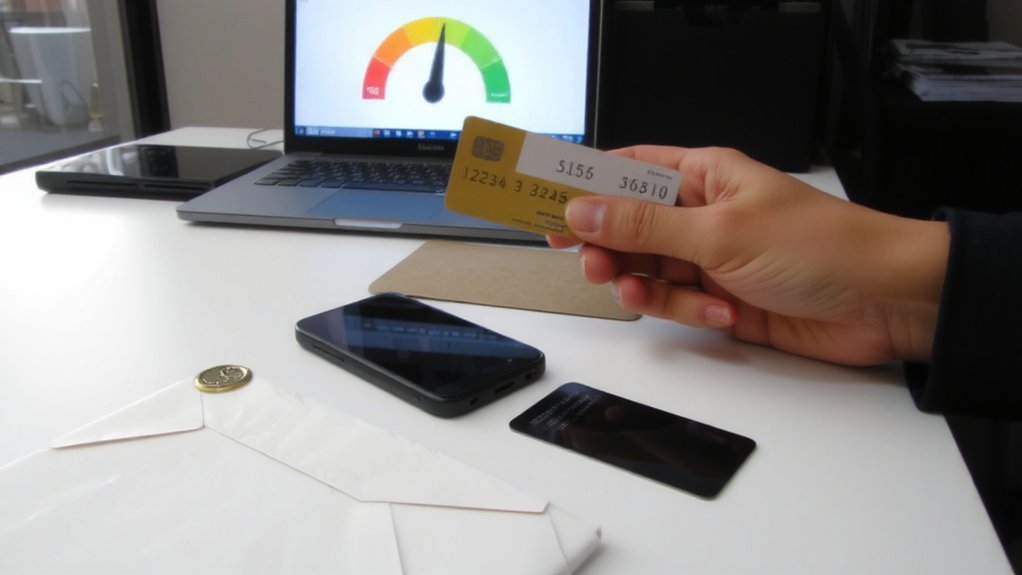
If you prefer a paid, lender-style number, buy scores directly from MyFICO or from Equifax, Experian, or TransUnion — they sell FICO or bureau-specific scores and credit-monitoring packages that aren’t always the same as free scores you see elsewhere.
Purchasing gives you the exact version lenders often use, along with detailed score breakdowns and report highlights.
You’ll pay a fee, usually monthly or a one-time charge, so compare prices and which FICO edition or score model they provide.
Use those paid reports when you need the most accurate lender-style snapshot for rate shopping or dispute prep.
Remember paid scores won’t change the underlying data; they just reflect how bureaus calculate and present your credit standing.
Check refund policies and cancellation terms before you buy.
Sign Up for Credit Monitoring Services

After buying a lender-style score, you’ll likely want continuous oversight of your credit—signing up for a credit monitoring service gives you real-time alerts for new accounts, hard inquiries, or big changes to your reports so you can act fast on fraud or errors.
Compare features like identity theft insurance, score tracking, and frequency of alerts, and check whether reports cover all three bureaus.
Free services can be enough for basic monitoring, but paid plans often include deeper monitoring, faster notifications, or restoration help—pick what fits your risk level and budget.
Set clear alert preferences, link accounts securely, and review notifications promptly; if you see suspicious activity, freeze your reports and dispute errors immediately. Monitoring doesn’t replace vigilance, so check statements and update passwords regularly.
Ask Your Bank or Credit Union for a Score
Did you know your bank or credit union may already give you a free credit score?
Check your online banking dashboard or mobile app—many institutions display a VantageScore or FICO score and update it monthly.
If you don’t see one, call or visit and ask a representative; they can tell you which model they use, how often it updates, and whether viewing it triggers a hard inquiry (it usually won’t).
Use that score to track trends, spot sudden drops, and compare with reports from credit bureaus.
Ask about accompanying explanations, breakouts (payment history, utilization), and alerts for major changes.
Keep access secure by using strong passwords and two-factor authentication on your account.
If something looks wrong, dispute errors with the credit bureaus right away.
Work With Nonprofit Credit Counselors
Why consider a nonprofit credit counselor? You’ll get impartial, low‑cost guidance on reading your credit reports, spotting errors, and creating a plan to improve your score.
Counselors help prioritize debts, negotiate with creditors, and set realistic budgets.
They can walk you through debt management plans if needed, but they won’t push high‑fee products.
Look for agencies accredited by the National Foundation for Credit Counseling or a state agency, and ask about fees, services, and staff qualifications before you commit.
Bring recent bills and a copy of your credit report so they can give specific advice.
Stay cautious of anyone asking for large upfront payments or promising quick fixes. A reputable nonprofit helps you understand steps and stay accountable. Follow their plan and track progress.
Understand Different Credit Scoring Models
How do credit scores differ and what does that mean for you? Different models—FICO, VantageScore, and lender-specific scores—use varying formulas and data windows.
You’ll often see multiple scores because each model weighs payment history, credit utilization, length of credit, new credit, and mix differently.
A good score in one model might be slightly lower in another, affecting loan offers and rates. Check which model a lender uses when shopping for credit, and compare scores across models to spot discrepancies or errors.
If a score seems off, pull your reports, dispute inaccuracies, and focus on consistent on-time payments and lower balances. Track changes over time so you can measure progress and adjust.
Conclusion
Now that you’re familiar with how to check your credit score, use your card or loan statements, free services like Credit Karma or Experian, or ask your bank for a score, and review your annual reports from Equifax, Experian and TransUnion. Consider buying scores from bureaus or MyFICO or signing up for monitoring, and work with nonprofit counselors if needed. Monitor accounts, dispute errors quickly, and lock down accounts with strong passwords and two‑factor authentication.