

If you need to save money fast, you can act now and stabilize your cash in weeks. Start with a bare‑bones emergency budget and track every transaction for two weeks. You’ll spot easy cuts and quick wins — keep going to get the step‑by‑step plan to free up cash fast.
Build a Bare-Bones Emergency Budget

When you need cash fast, build a bare-bones emergency budget that covers only essentials: rent/mortgage, utilities, groceries, insurance, minimum debt payments, and transportation.
List fixed costs and non-negotiables, then cut discretionary spending immediately — cancel subscriptions, pause streaming and dining out, and delay nonessential purchases.
Set target weekly or monthly savings from reduced expenses and funnel that toward an emergency fund or high-interest debts.
Negotiate bills where possible: call providers to lower rates, switch to cheaper insurance, and refinance loans if it makes sense.
Automate transfers to a separate account so you don’t spend the savings, and review the budget weekly to keep adjustments tight until your cash cushion grows.
You’ll feel calmer as priorities get fixed and small wins compound into meaningful savings quickly.
Track Every Dollar for Two Weeks
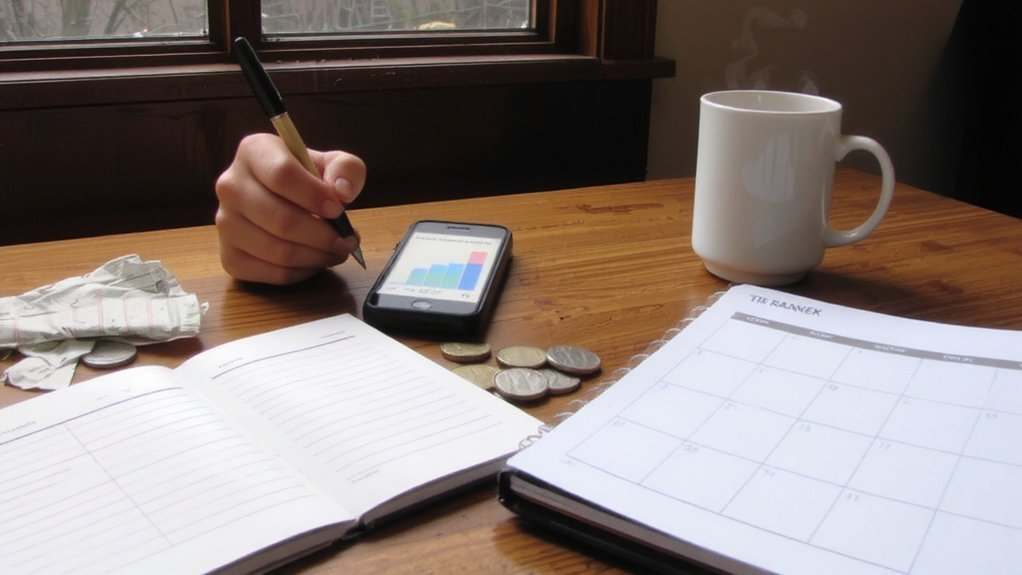
Now that you’ve stripped your budget to the basics, track every dollar for two weeks to see exactly where your money goes.
Use a simple spreadsheet, an app, or a notebook and record every purchase, bill payment, and cash exchange. Note date, amount, category, and purpose.
Save receipts and enter transactions daily so nothing slips through.
At day seven and day fourteen, review totals by category and spot patterns: frequent small purchases, weekend overspending, or variable bills.
Ask whether each expense matches your priorities and where you can realistically cut.
Use this short experiment to build accurate habits and an honest baseline; when you know true spending, you can make targeted changes that actually add up. This clarity helps you prioritize every future purchase.
Cut or Pause Recurring Subscriptions
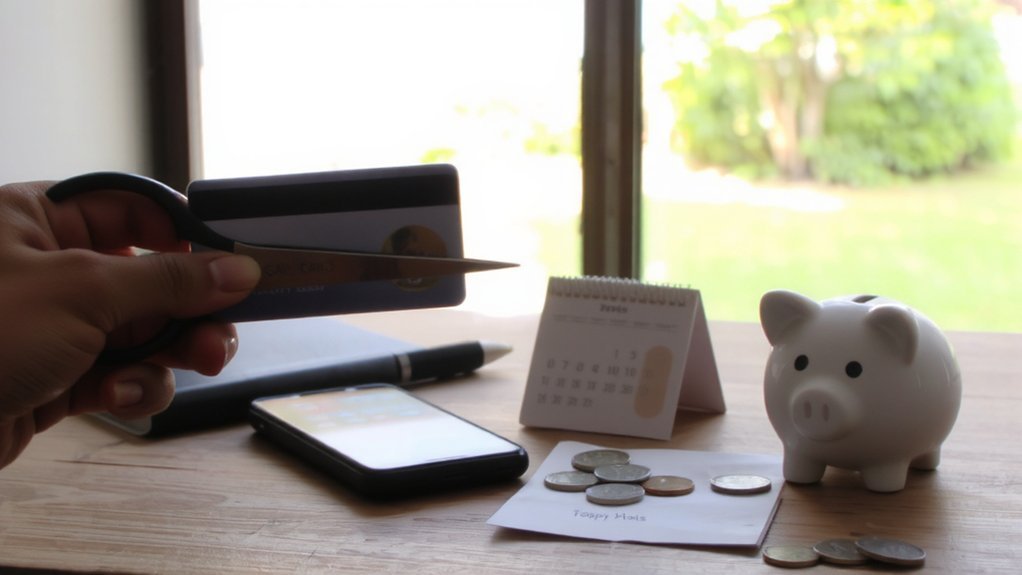
How many subscriptions do you actually use each month?
List streaming, apps, memberships, and cloud services; include small charges you barely notice.
Review bank and credit card statements, cancel or pause anything you haven’t used in 30 days or that duplicates another service.
For essentials you want back later, pause or switch to annual plans when discounts make sense.
Negotiate or downgrade before canceling—customer retention reps often offer lower rates.
Use a single spreadsheet or subscription manager app to track renewal dates and free trials so you won’t forget.
Schedule quarterly audits to catch creep.
The goal isn’t deprivation; it’s intentional spending: keep what gives value, cut what’s automatic, and free up cash you can redirect to goals.
You’ll save quickly with consistent review.
Slash Household Bills With Simple Changes
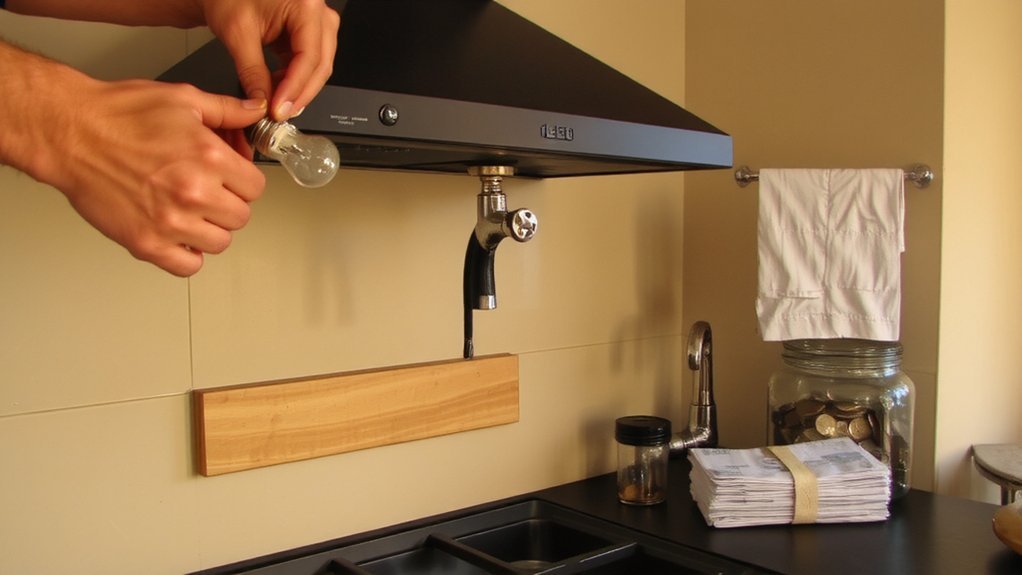
Slash your monthly bills by making small, practical changes you can do today: lower your thermostat few degrees and install a programmable or smart thermostat, swap incandescent bulbs for LEDs, seal drafts and add weatherstripping, drop your water heater temperature to 120°F and fit low-flow showerheads, run laundry and dishes full on cold cycles, and unplug or use smart power strips for phantom loads.
Audit recurring utility plans—compare providers, negotiate rates, drop unused services.
Improve appliance efficiency by cleaning filters, defrosting freezers, and maintaining HVAC.
Shift heavy electricity use to off-peak hours if your plan offers time-of-use rates.
Collect and reuse rainwater for outdoor tasks where legal.
Track meter readings monthly; you’ll spot spikes and fix leaks to prevent waste and big bills soon.
Reduce Grocery and Dining Costs Fast

Want to trim your grocery and dining bills fast? Plan meals for the week, make a focused list, and stick to it.
Buy store brands, shop sales, and use digital coupons; compare unit prices to pick the best deals.
Cook larger batches and freeze portions to avoid eating out.
Swap expensive ingredients for cheaper but nutritious alternatives, and prioritize versatile staples like rice, beans, eggs, and seasonal produce.
Eat out less by setting a weekly restaurant budget and choosing cheaper options when you do. Bring lunches and coffee from home.
Reduce waste by rotating older items forward and repurposing leftovers into new meals.
Small, consistent changes add up quickly and free cash for higher priorities. You’ll see savings within weeks if you stay consistent.
Stop Impulse Spending Immediately
When an urge to buy hits, pause and apply a simple rule: wait 24 hours, remove saved payment info, and ask whether this purchase fits your top priorities.
When you delay, emotion cools and you see whether the item still matters.
Limit temptation by unsubscribing from promotional emails, hiding apps, and turning off one-click checkout.
Carry a shopping list and stick to it; don’t browse aisles or scrolling feeds without purpose.
Set a modest monthly discretionary budget and track what you actually spend so you’ll notice patterns.
Use cash for small purchases to force a physical decision.
Reassess recurring desires—if you keep wanting the same thing, plan for it instead of buying impulsively.
Celebrate progress when you resist—small wins compound into strong habits consistently.
Automate Savings and Short-Term Challenges
If you set up automatic transfers and use short-term saving challenges, you’ll build momentum without relying on willpower.
Automate a fixed amount to move to a dedicated savings account right after payday so you never see it.
Use short challenges—30-day no-spend weeks, a 52-week increasing deposit, or a spare-change roundup—to make progress feel achievable.
Pick one goal per challenge: emergency fund, small vacation, or sinking fund.
Track progress visually and adjust transfer sizes when income changes.
Treat savings like a recurring bill, then automate increases after bonuses or raises.
Keep one easily accessible account for short-term goals and another for true emergencies to avoid temptation.
Celebrate small wins to keep motivation high.
Revisit your plan monthly to stay realistic, tweak amounts, and improve outcomes.
Negotiate and Shop Smarter for Big Monthly Wins
Because recurring bills make the biggest dent in your budget, negotiating them and shopping smarter delivers the fastest monthly savings. Start by listing subscriptions, insurance, cable, phone and utilities.
Call providers, ask for loyalty discounts, mention competitor offers, and request lower rates or promotional plans — you’ll be surprised how often they comply. Bundle where it genuinely reduces cost and eliminate unused services.
For groceries, plan meals, buy store brands, use cash-back apps and weekly sales, and avoid impulse buys. Refinance or compare loan rates for big obligations.
Set price alerts for recurring purchases and use auto-switch services for energy or internet when savings exceed switching costs. Small monthly wins compound quickly into substantial relief.
Track results monthly and reinvest gains into savings immediately.
Conclusion
You can save money fast by focusing on essentials, tracking every expense, and cutting or pausing recurring charges. Cancel dining out, delay nonessential buys, and shop staples. Negotiate bills, switch plans, and automate transfers into a separate savings account. Run a short savings challenge to build momentum, then tackle high‑interest debt aggressively. Stay consistent, review weekly, and you’ll build an emergency buffer faster than you’d expect. Keep adjusting until your goals feel doable and secure.