

If you’ve got a headache now, start with simple, evidence-based steps: drink water, sit or lie in a quiet, dim place, and try a cold or warm compress on your forehead or neck while breathing slowly. You can take acetaminophen or ibuprofen if those suit you, and gentle neck stretches often ease tension. Keep going—there are specific tactics for tension, migraine, and warning signs that you’ll want to know.
Key Takeaways
- Move to a quiet, dark room, lie down, and practice slow diaphragmatic breathing for several minutes.
- Apply a cold pack to your temples for migraine pain or a warm compress to the base of your skull for tension.
- Take an appropriate over-the-counter analgesic (acetaminophen, ibuprofen, or naproxen) following dosage instructions.
- Hydrate with water or ginger/peppermint tea and eat a light snack if you haven’t eaten recently.
- Break screen exposure, do gentle neck stretches, and use progressive muscle relaxation to relieve tension.
Quick Home Remedies to Try Immediately
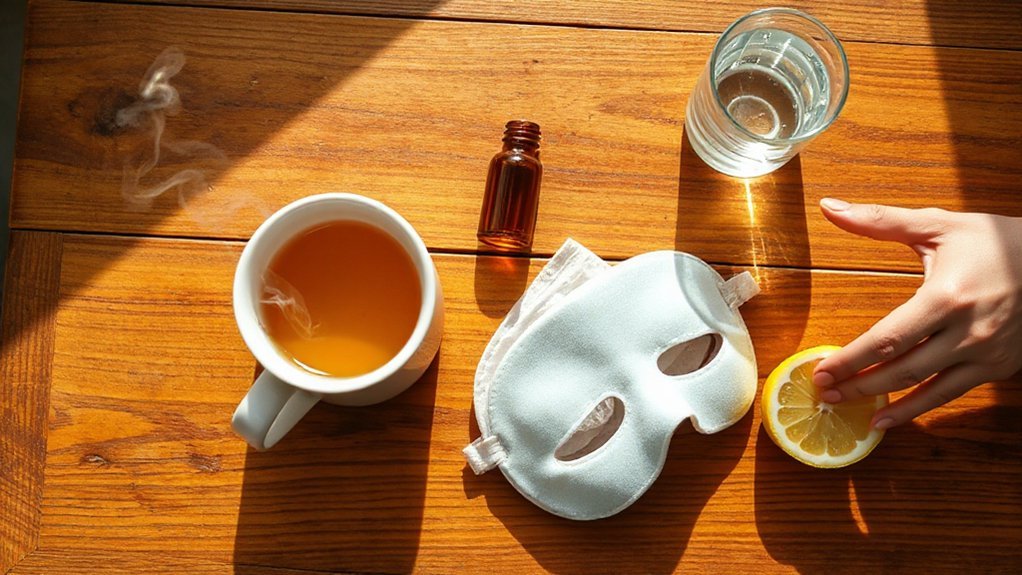
Try a few simple, evidence-backed fixes you can do right away: hydrate, rest in a dark quiet room, apply a cold or warm compress to your forehead or neck, and practice slow diaphragmatic breathing. You’ll often ease tension or mild migraine pain by reducing sensory input and improving blood flow. Sip herbal teas like ginger or peppermint—they can soothe nausea and relax muscles without strong side effects. Use cold compresses for throbbing pain or heat for tight neck muscles; switch if one doesn’t help after 15–20 minutes. Keep posture neutral and gently stretch your shoulders and neck. Avoid strong smells, screen glare, and caffeine if you suspect rebound headaches. If pain persists past a few hours or worsens, seek medical advice.
Over-the-Counter Medications: What Works and When
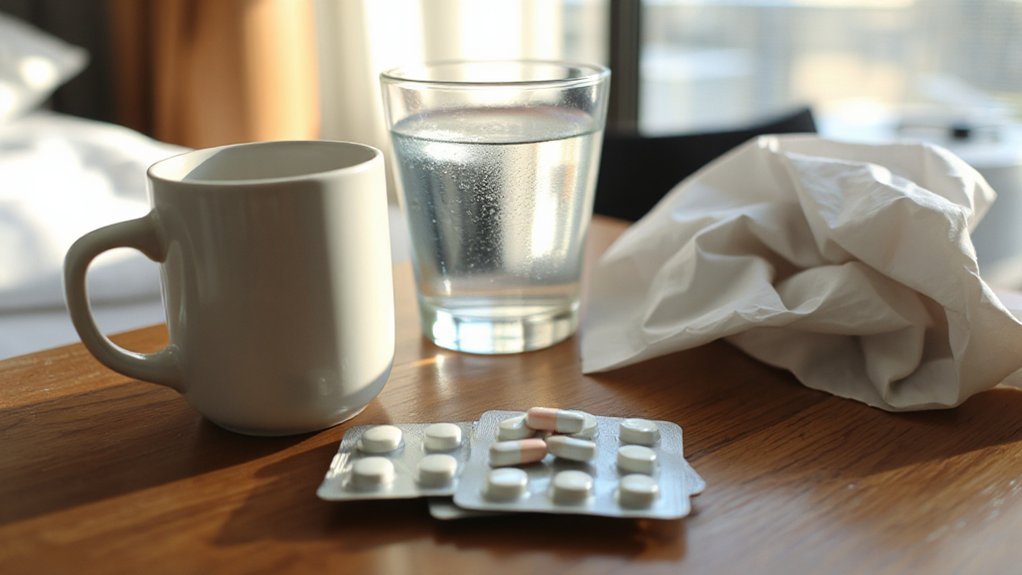
When you need faster relief than home remedies can provide, over-the-counter pain relievers can be effective if you pick the right one and use it correctly. For tension or mild headaches, acetaminophen or NSAIDs (ibuprofen, naproxen) work well; aspirin also helps but can irritate the stomach. For migraine, consider NSAIDs or combination products with caffeine—triptans are prescription-only. Always follow dosage guidelines on the label: don’t exceed max daily doses, space doses as directed, and adjust for age or liver/kidney issues. Avoid mixing multiple products that contain the same active ingredient to prevent overdose. If headaches recur frequently, are unusually severe, or don’t respond after recommended dosing, see a clinician for targeted treatment.
Techniques for Tension and Stress-Related Headaches
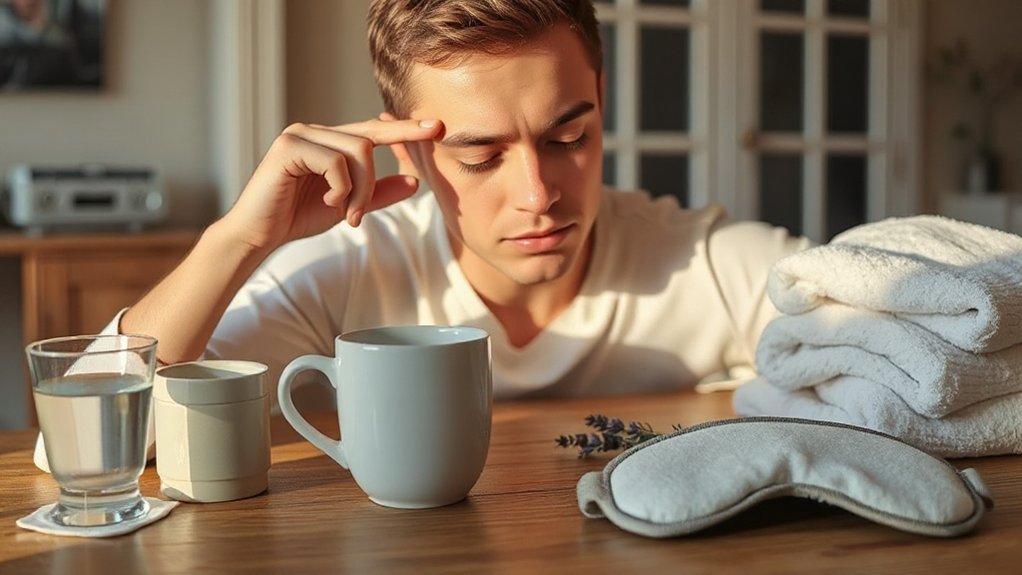
Although tension headaches often stem from muscle tightness and stress, you can usually ease them quickly with targeted physical and relaxation techniques. First, do progressive muscle relaxation: tense each muscle group for 5–10 seconds, then release, moving from feet to scalp to reduce neck and shoulder tension. Add gentle neck stretches and shoulder rolls to restore mobility. Use diaphragmatic breathing exercises—inhale slowly for four counts, hold two, exhale six—to lower sympathetic arousal and lessen pain intensity. Apply a warm compress to the base of your skull for 10–15 minutes to increase blood flow and relax muscles. If you sit a lot, take short movement breaks every 30–60 minutes. These evidence-based steps often cut headache duration and severity without medication.
Managing Migraines Early: Steps That Can Help
Because migraines often escalate quickly, acting at the first warning signs can cut attack length and intensity. You should track migraine triggers and recognize early symptoms—visual changes, nausea, or subtle scalp sensitivity—so you can intervene immediately. Try quiet, dark rest and apply cold packs to your temples; these reduce sensory overload and can blunt pain. Use fast-acting medication you’ve discussed with your clinician as soon as symptoms start. Stay hydrated and avoid bright screens, strong smells, and skipped meals that worsen attacks.
Act on early signs: rest in darkness, use cold packs, hydrate, avoid triggers, and take fast-acting meds.
- Admit the pain early — don’t wait; it’s easier to stop escalation than reverse it.
- Anchor yourself with breathing and a cool compress to calm panic and sensitivity.
- Act with a known medication plan to regain control quickly.
When a Headache Is a Medical Emergency
If your headache hits suddenly and is the worst you’ve ever had, get emergency care right away because that pattern can signal bleeding or other acute problems. You should also seek immediate evaluation for any new neurological signs — weakness, numbness, trouble speaking or vision changes — since those suggest a stroke or other serious cause. And if your headache comes with fever and a stiff neck, go to the ER promptly because those are red flags for meningitis.
Sudden, Severe Onset
When a headache comes on suddenly and feels like the worst pain you’ve ever had, treat it as an emergency and seek immediate medical care. You should recognize sudden triggers and severe symptoms that suggest a life‑threatening cause (like bleeding or vascular events). Don’t wait to see if it improves.
- You feel intense, explosive pain and fear you might collapse — get emergency care now.
- You notice sudden triggers such as a head injury, exertion, or abrupt blood pressure spike — act immediately.
- You experience worsening pain despite rest and usual remedies — call emergency services.
Emergency teams will triage, image (CT/MRI), and manage causes quickly. Early evaluation reduces risk and guides specific treatment; trust urgent assessment over home remedies.
Neurological Changes
Though most headaches are harmless, certain new or focal neurological signs mean you need urgent evaluation. If you suddenly develop weakness, numbness, trouble speaking, blurred vision, confusion, seizures, or a loss of coordination, seek emergency care—these signs can indicate stroke, intracranial bleed, or mass effect. Rapid assessment with neuroimaging and stroke protocols saves brain tissue. Even if symptoms are transient, get evaluated for transient ischemic attack. Chronic headache patterns tied to neurotransmitter imbalance or altered brain chemistry don’t usually produce focal deficits; new neurological change distinguishes systemic chemical causes from structural emergencies. Tell clinicians about medication changes, anticoagulant use, and recent head trauma. Don’t wait for pain to worsen—early recognition and imaging guide treatment and improve outcomes.
Fever or Stiff Neck
Neurological signs warrant immediate evaluation, and fever or a stiff neck can signal another set of dangerous causes you shouldn’t ignore. If your headache comes with fever symptoms or a stiff neck causes pain when you move, suspect meningitis, brain infection, or inflammatory conditions. Don’t wait.
- Rapid escalation: high fever with worsening headache — go to the emergency room; this can be life‑threatening.
- Neck rigidity: inability to touch chest with chin or severe pain on flexion — seek urgent assessment for meningitis.
- Systemic signs: confusion, vomiting, seizures, or rash plus fever symptoms — call emergency services immediately.
These are evidence‑based red flags. While common headaches are benign, these combinations demand immediate medical evaluation and prompt treatment.
Preventive Habits to Reduce Future Headaches
To reduce how often headaches strike, stick to a consistent sleep schedule so your brain and body can recover predictably. Drink regularly throughout the day to prevent dehydration, a common and reversible trigger. Build simple daily stress-management habits — brief breathing exercises, short walks, or scheduled breaks — to lower overall headache risk.
Consistent Sleep Schedule
If you want fewer headaches, stick to a consistent sleep schedule: going to bed and waking up at the same times each day stabilizes your circadian rhythm, which reduces migraine and tension-headache risk. You’ll improve sleep quality by anchoring sleep pressure and reducing night-to-night variability. Build a short bedtime routine—dim lights, avoid screens, and do a simple relaxation exercise—to signal sleep onset. Prioritize seven to nine hours if possible and don’t overcompensate on weekends; large shifts raise headache likelihood. Track patterns and adjust gradually (15–30 minutes every few days) to make changes stick. Consistency lowers physiological stress, improves mood, and cuts headache frequency over weeks.
- Relief: predictable rest eases anxiety.
- Control: small habits yield big drops in pain.
- Hope: steady routines prevent recurrence.
Regular Hydration Habits
Because even mild dehydration can trigger headaches, keeping a steady fluid routine can cut how often they start. You’ll get clear hydration benefits: improved blood flow, reduced vascular irritation, and fewer triggers for tension or migraine attacks. Aim for consistent water intake across the day rather than all at once—sip on 250–300 ml every 1–2 hours or use a refillable bottle to track volume. Monitor urine color (pale straw is ideal) and adjust for exercise, heat, or alcohol. If plain water bores you, add a splash of citrus or a pinch of salt during prolonged sweating. Set simple reminders on your phone or use apps to log fluids. Making water a habit prevents headaches before they begin.
Manage Stress Daily
When you manage daily stress, you lower one of the most common headache triggers and reduce the frequency and severity of tension and migraine attacks. You can prevent many headaches by building short, reliable habits: use mindfulness practices daily, schedule brief breaks, and apply relaxation techniques when you sense tension. Aim for 5–10 minutes of focused breathing or body scans twice a day; evidence shows even brief practice reduces stress biomarkers. Combine that with progressive muscle relaxation or guided imagery when you feel a headache coming on. Keep a simple routine: consistent timing, quiet spot, and a reminder. Track what helps so you repeat effective strategies. Small, regular efforts will cut headache days and improve your resilience.
- You’ll feel calmer quickly.
- You’ll stop headaches earlier.
- You’ll regain control.
Conclusion
You’ve got practical options to stop a headache fast: hydrate, rest in a dark quiet room, and try a cold or warm compress. Use slow diaphragmatic breathing and gentle neck stretches for tension, and take OTC acetaminophen or ibuprofen per directions for quick relief. If you get nausea, sip ginger or peppermint tea. Act early with migraine-specific strategies, and seek immediate care for sudden severe symptoms. Adopt preventive habits to reduce recurrence.