

You need an About page that quickly proves value, builds trust, and nudges action — measurable outcomes like higher time-on-page, email signups, and client inquiries. Start with a one-line hook that states who you help and what you deliver. Use concise stories and evidence, then finish with a clear call to action — and here’s what to do next.
Key Takeaways
- Start with one measurable mission line that states who you help and the concrete outcome they can expect.
- Lead with a single-line hook naming the audience, the specific benefit, and a clear success metric or timeframe.
- Include a scannable bio listing your role, top credentials, and two measurable achievements that prove your expertise.
- Add a professional headshot plus trust signals (testimonials, client logos, or metrics) to convert curiosity into credibility.
- End with a focused CTA for email subscription, stating frequency, what subscribers get, and a privacy reassurance.
What Your About Page Needs

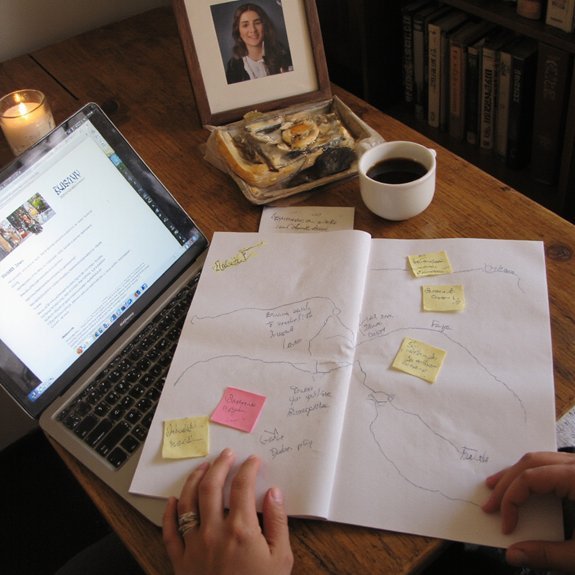
A great About page tells visitors who you are, who you serve, and why they should keep reading. You’ll prioritize clarity: state your mission in one measurable line, list top outcomes readers get, and show proof with metrics or testimonials to boost audience engagement. Use concise storytelling that highlights your unique skillset and personal branding—don’t just list roles; quantify impact (conversion rates, readership growth, time-saved). Frame sections around visitor goals: problem, solution, and next steps, with clear CTAs tied to specific KPIs. Include a short bio that’s human and data-backed, a few media mentions or case numbers, and visual cues that reinforce credibility. Keep tone innovative and forward-looking, testing elements and measuring lifts in clicks and sign-ups. You’ll iterate based on analytics, optimizing for faster trust-building and measurable growth rather than vague self-promotion. Set review cycles monthly, A/B test headlines, and prioritize user feedback to guide improvements regularly.
Crafting a Clear One‑Line Hook

When you only have one line to win attention, state who you help, the measurable benefit they get, and what success looks like—e.g., “I help freelance designers increase client revenue by 20% in 90 days”—so visitors instantly know value, timeframe, and a concrete outcome to judge. You should distill your blog’s mission into a single, testable line that highlights audience, metric, and timeline. Use hook examples that show specific uplift, reduction, or speed gains. Iterate: A/B test variants, measure click-through time, and apply revision tips to improve clarity and conversion. Keep language crisp, future-focused, and innovation-friendly so adopters feel invited.
- A revenue-focused hook: “I help X increase Y by Z in T.”
- A speed-focused hook: “I help X do Y 2x faster.”
- A reduction-focused hook: “I help X cut costs by 30%.”
- A niche-specific hook: “I help biotech founders validate ideas in 60 days.”
Telling Your Story With Purpose

After your hook grabs attention, use your About page to convert curiosity into trust by showing why you can deliver the promised outcome. You’ll frame your journey with purpose, using storytelling techniques and selected personal experiences that highlight motivation, pivot points, and measurable impact. Focus on outcomes your readers care about and state the change you help them achieve.
| Emotion | Moment |
|---|---|
| Hope | First breakthrough |
| Empathy | Shared struggle |
| Confidence | Consistent results |
| Aspiration | Future vision |
Quantify small wins, share constraints you overcame, and link to proof points so readers can validate claims quickly and decide to engage. Use data-driven specifics: timelines, metrics, and one clear transformation metric. Keep language lean so innovators see a repeatable process, not anecdotes for ego. Close with a forward-looking statement that invites action—subscribe, explore case studies, or test the method—so you convert interest into measurable engagement. Make every line push toward measurable reader transformation today.
Showing Your Expertise Without Bragging
Because readers trust results more than resumes, lead with outcomes and verifiable specifics instead of titles and superlatives. You show humble confidence by citing measurable impacts: conversion lifts, time saved, prototypes shipped. Frame your authentic expertise with concrete case snapshots and linked evidence so innovation-minded visitors can evaluate risk. Focus on metrics, lessons learned, and next-step value instead of self-praise. Use short, data-led sentences that guide attention to what you delivered and why it matters.
- State the result (percent, timeframe, sample size).
- Link proof (case study, GitHub, report).
- Explain your role and constraints briefly.
- Share one actionable takeaway or next step.
This approach signals competence without boasting, builds trust through transparency, and helps readers decide quickly whether your methods align with their goals. You’ll attract collaborators who value evidence over ego. Keep updates frequent and quantified to reinforce credibility as your work evolves regularly.
Writing for Your Ideal Reader
Start by identifying your reader’s goals so you can tailor content that helps them achieve specific outcomes. Use the words and examples your audience uses — their metrics, vocabulary, and pain points show you understand their reality. Match your tone to their expectations (casual, professional, or motivational) to increase trust and conversion.
Identify Their Goals
When you identify your ideal reader’s goals, use concrete data—analytics, surveys, comment threads—to map what they’re trying to achieve and how often they succeed; this lets you tailor content to measurable outcomes like learning a skill, solving a problem, or making a purchase. Prioritize goals that deliver product-market fit and value. Use goal alignment to focus efforts, and track audience engagement to validate hypotheses. Translate patterns into About-page promises and resource links that set clear expectations. Paint scenarios so readers see themselves in outcomes:
- Beginner learns core skill in 30 days.
- Professional solves a recurring workflow bottleneck.
- Buyer compares options and converts confidently.
- Innovator experiments with a guided roadmap.
Iterate based on metrics, and keep commitments specific, testable, and innovation-ready.
Speak Their Language
How do your readers actually talk—and what words make them click, trust, and return? You map phrases from interviews, comments, and analytics to craft headlines and hooks that boost audience engagement and conversion. Use clear metrics: test verbs, measure clicks, iterate.
| Channel | Phrase | Effect |
|---|---|---|
| “Quick tip” | Open rate +7% | |
| Social | “Try this” | Share rate +12% |
You focus on concise, innovative language so effective communication drives repeat visits. You prioritize data over ego: run A/B tests, track sentiment, and align copy to user intent. This keeps your About page purposeful, persuasive, and optimized for growth. Iterate weekly, present findings in dashboards, and set KPIs tied to retention and referrals; you’ll convert insights into microcopy improvements that compound into measurable brand momentum every product launch monthly.
Match Tone to Reader
Because tone shapes perception and action, you should tune your voice to the ideal reader and test that match with data. You’ll experiment with tone variations, measure audience engagement metrics, and iterate toward a voice that drives conversion and trust. Decide target emotion, vocabulary, formality, and call-to-action clarity. Use tests—A/B headlines, read rates, session time—and treat results as constraints. Prioritize clarity and novelty to appeal to innovators. Your goal is measurable alignment: higher click-throughs, longer reads, clearer next steps.
- Friendly expert — approachable authority for curious builders.
- Bold futurist — visionary phrasing for early adopters.
- Technical peer — precise, efficient language for practitioners.
- Narrative connector — story-led tone for relational trust.
Track KPIs weekly and iterate rapidly based on signals.
Visuals and Layout That Build Trust
First impressions matter: visitors form an opinion of your site in roughly 50 milliseconds, so your visuals and layout must communicate credibility instantly. You prioritize clarity—use a strict visual hierarchy so readers scan, understand your value, and engage. Consistent typography, restrained color palettes, and purposeful white space signal professionalism and reduce cognitive load. Use high-quality graphic elements that reinforce your brand and quicken comprehension; avoid decorative clutter that undermines trust. Design responsively and optimize asset sizes to keep load times low—performance equals credibility. Showcase authenticity with well-lit, candid images and selective social proof positioned within the hierarchy, letting data-driven placement guide emphasis. Test variations: heatmaps and A/B results tell you which layouts convert trust into action. Iterate rapidly, measure engagement and bounce metrics, and align every visual choice to the measurable goal of turning first glances into confidence. Track conversions, prioritize what increases returning visitors, and iterate quickly.
Essential Practical Elements to Include
When you build your About page, prioritize the elements that directly drive trust and action: a clear value-driven headline, a one‑sentence mission, a short scannable bio with credentials, a professional photo, and one prominent call-to-action (subscribe, contact, or hire). Focus on concise proof points, measurable impact, and a tone that sparks innovation. Convey why your work matters with metrics, awards, or client outcomes to underscore about page importance and create a personal connection. Use headings and bullets so readers scan quickly and convert faster.
- One-line value proposition + supporting metric.
- Mission in a single sentence that ties to user benefit.
- Scannable bio with role, credentials, and top results.
- Professional headshot and trust signals (logos, testimonials).
You’ll optimize trust and clarity, helping visitors evaluate fit fast and encouraging experimentation with your ideas. Measure clicks and engagement to iterate based on behavioral data regularly for improvement.
Calls to Action That Encourage Return
You should use clear CTAs on your About page that push casual readers to subscribe, since email consistently produces higher return rates than one-off visits. Offer a tangible reward for repeat visits—exclusive posts, early access, or a members-only resource—to turn subscribers into regulars. Set measurable goals and a frictionless signup flow so you can track subscriber growth and the lift in return traffic.
Encourage Email Subscriptions
A focused email call-to-action converts casual readers into repeat visitors and gives you measurable retention: subscribers open and click more often, drive higher lifetime engagement, and create a direct channel for testing headlines, offers, and re-engagement tactics. Show email incentives and subscription benefits so visitors see clear value. Specify frequency, content, and a preview. Test CTAs and track conversion, open, and unsubscribe rates to iterate fast. Design offers for testing and feedback, tie metrics to goals, and prioritize rapid experimental learning cycles. Examples for placement and tone:
- Header signup — newsletter, 1 email/week, exclusive insight.
- Inline CTA — brief benefits and guide discount.
- Exit intent — single-line value pitch and one-click signup.
- Footer signoff — recap benefits and privacy note.
Reward Repeat Visits
If your goal is to turn casual readers into repeat visitors, prioritize reward-based calls to action that create measurable loyalty loops. You should design short, testable incentives—early-access posts, micro-courses, or progressive checklists—that tie to KPIs like return rate and session duration. Use A/B testing to quantify which rewards lift repeat visits and iterate rapidly. Frame CTAs on your About page to promise concrete returns: “Get bonus post,” “Unlock weekly in-depth explorations.” Pair incentives with engaging content and community building hooks—exclusive forum access or member challenges—to deepen ties. Track cohorts, measure lifetime value, and adjust offers to maximize retention. You’ll convert curiosity into steady engagement by coupling data-led rewards with clear, innovative prompts and reduce churn while fueling referral growth through purposeful design and analytics.